
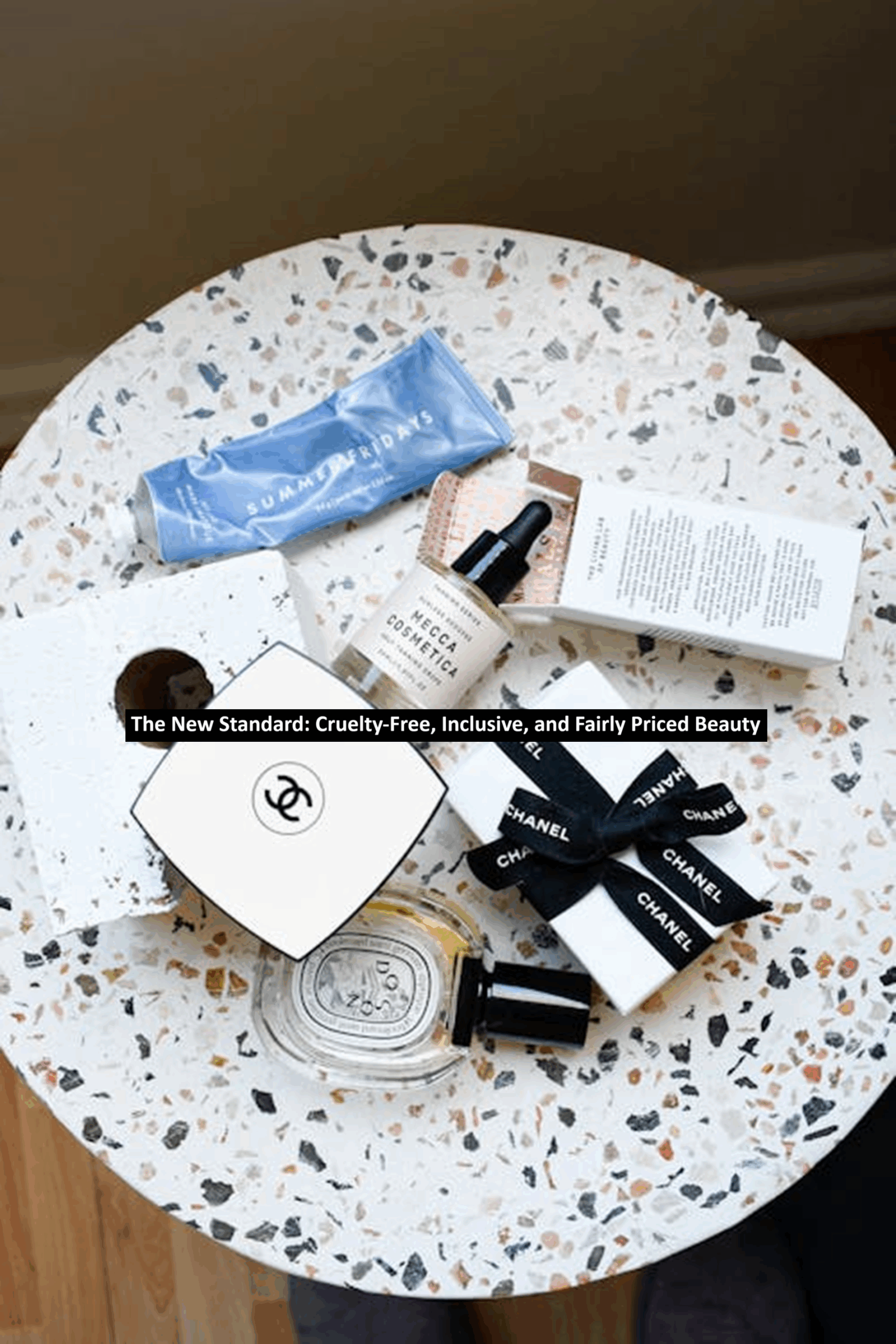
The New Standard: Cruelty-Free, Inclusive, and Fairly Priced Beauty
In modern-day society, cosmetic brands are constantly changing and innovating with the rising needs of consumers. Over the decades and even more recent years, more scrutiny is placed on these huge corporations to ensure they are selling not only good quality products but also that they are meeting the morals of the consumers, such as no animal testing, reasonable pricing for their audience and suitability for a range of skin tones and types.
With all of these criteria needing to be met, there are several reasons not only why but also who is actually meeting these marks?
Cruelty-Free
While you might think this practice is infamously abolished, you will be surprised by how many brands are currently standing that continue to cut costs with animal testing. These brands include MAC, Avon and many more, which are billionaire companies that are billion-dollar companies.
It’s morally staggering the volume and how these companies continue to remain without punishment or repercussions, as in some countries, such as China, they only allow products that have been animal tested.
For obvious reasons, a lot of individuals are extremely against the practice of animal testing for beauty products. It’s incredibly immoral, but also raises the question: a product that needs to be tested on animals must include a huge range of dangerous, unnatural ingredients. Things such as microplastics and other preservatives are eventually really damaging to the skin.
It should become an international law to abolish animal testing on all products. A small step you can take is to choose only cruelty-free brands moving forward, such as REFY Beauty.
Read: Diabetes and Eye Health: Why Routine Dilated Exams Matter
Skin Tones & Types
Several brands have been called out for their lack of shade ranges, and primarily for those with darker skin tones. It’s not only blatant ignorance of these women and men, but it also shows clear signs of a lack of respect for those of colour.
It’s been a long time coming for some brands with their clear ignorance of their colour ranges, with not just foundation but also powders, cream bronzers and cream blushes.
When creating a brand, you need to consider the whole audience and be mindful of different skin tones, textures and shades.
Brands like Fenty Beauty are a great example of women creating a huge shade range, ensuring that every single person has a shade match from the fairest of skin to the darkest of complexions. Being inclusive is extremely important for a successful brand.
Affordability
It makes more sense for the likes of some brands to charge large amounts of money per product because they have established a name for themselves but are also characterised as luxury brands. It’s important for there to be accessible options out there, especially if you are a new business; you need to build that trust and pricing right can make or break your brand.
As a consumer of makeup myself, I want to justify the price; therefore, pigmentation, packaging, and product amount are all contributing factors to pricing. I physically won’t buy a product if it is of bad quality, regardless of the brand name. Therefore, ensure you are pricing based on your quality.
Pigmentation
As mentioned about pigmentation is extremely important for consumers, while that doesn’t mean everything needs to be high coverage with regards to foundation, which some people prefer to be a much seamless and lighter layer. However, with regards to eyeshadows, bronzers and blushes, you want a little to go a long way or to be a pleasantly buildable product so you can have the best of a few worlds. You want to ensure that your products are not only suitable for your skin tone but are worth the pennies.
Transparency and Ingredient Ethics
Bringing it back to the point of animal cruelty. Beyond the big picture of cruelty and inclusion lies the microscopic detail: ingredients. Consumers aren’t just reading labels anymore; they’re dissecting them, but also apps are in place now where you can scan and see a complete review on not only its effectiveness but also potential harmful and unnecessary ingredients that are actually leaving you worse off. The rising “clean beauty” movement is a direct response to a fundamental distrust of the secretive, lab-created formulas of the past.
Why is this a big deal? Ingredients like parabens, phthalates, and certain sulphates have become controversial, leading consumers to demand simple, effective formulas they can pronounce. Brands that heavily rely on cheap, synthetic fillers are now facing scrutiny. It also raises the problem of “greenwashing” where brands slap a “natural” label on a product that is anything but. The modern standard demands that companies not only remove questionable ingredients but also explain why the remaining ones are necessary and safe, proving that ingredient transparency is the new cornerstone of product quality.
Final Thoughts
The landscape of cosmetic retail is undergoing a revolutionary transformation… finally. The modern beauty standard is no longer defined by cheapness or branding but by an uncompromising demand for accountability. Consumers have made it clear over the past decade, excellence must extend beyond the pigmentation of their cream blush and packaging to include absolute ethical integrity. From demanding global cruelty-free laws and full ingredient transparency to celebrating brands that champion truly inclusive shade ranges, the power has shifted. The future of beauty belongs to those corporations, whether established giants or hungry start-ups, who understand that meeting the new standard of morality, not just margin, is the only path to long-term success.