
Need a Crown in Whittier? Here’s the Process
You know that sharp jolt you get when you bite down on something more complicated than expected, like a popcorn kernel or olive pit? It can hurt, and if it happens to a tooth that’s already been patched up before, your dentist might give you the bad news that the tooth isn’t strong enough for another filling.
That’s when the word “crown” is usually introduced. Think of a crown as a fitted cover that fits over a damaged tooth. It restores the tooth’s strength, allowing it to function correctly.
Why Crowns Make a Difference
Crowns aren’t just patchwork. They put a shield around what’s left of the tooth, so it doesn’t crack further. They also allow you to return to normal chewing, so you don’t have to worry about chewing on one side.
Another positive feature is that they are shaped to match your own teeth so that they won’t stand out. With proper care, patients can have the same crowns in place for ten years or more.
Read: Unexpected Job Roles That Can Benefit Your Physical and Mental Health
Types of Crowns
Crowns come in a few different materials, and the “best” choice depends on which tooth is being fixed and what matters most to you. Porcelain and ceramic are the usual picks for visible front teeth, since they’re the most natural-looking.
In the back, dentists sometimes turn to porcelain fused with metal, which holds up well under pressure. With these, however, a fine metal edge may become visible after a few years.
Gold and other alloys, though less prevalent now, are still considered almost indestructible for heavy chewing. There’s also zirconia, a newer option that offers a blend of strength and a tooth-like look. Your dentist will help you find the appropriate solution.
The Steps
Here are the main steps for getting a crown.
Step 1: The First Visit
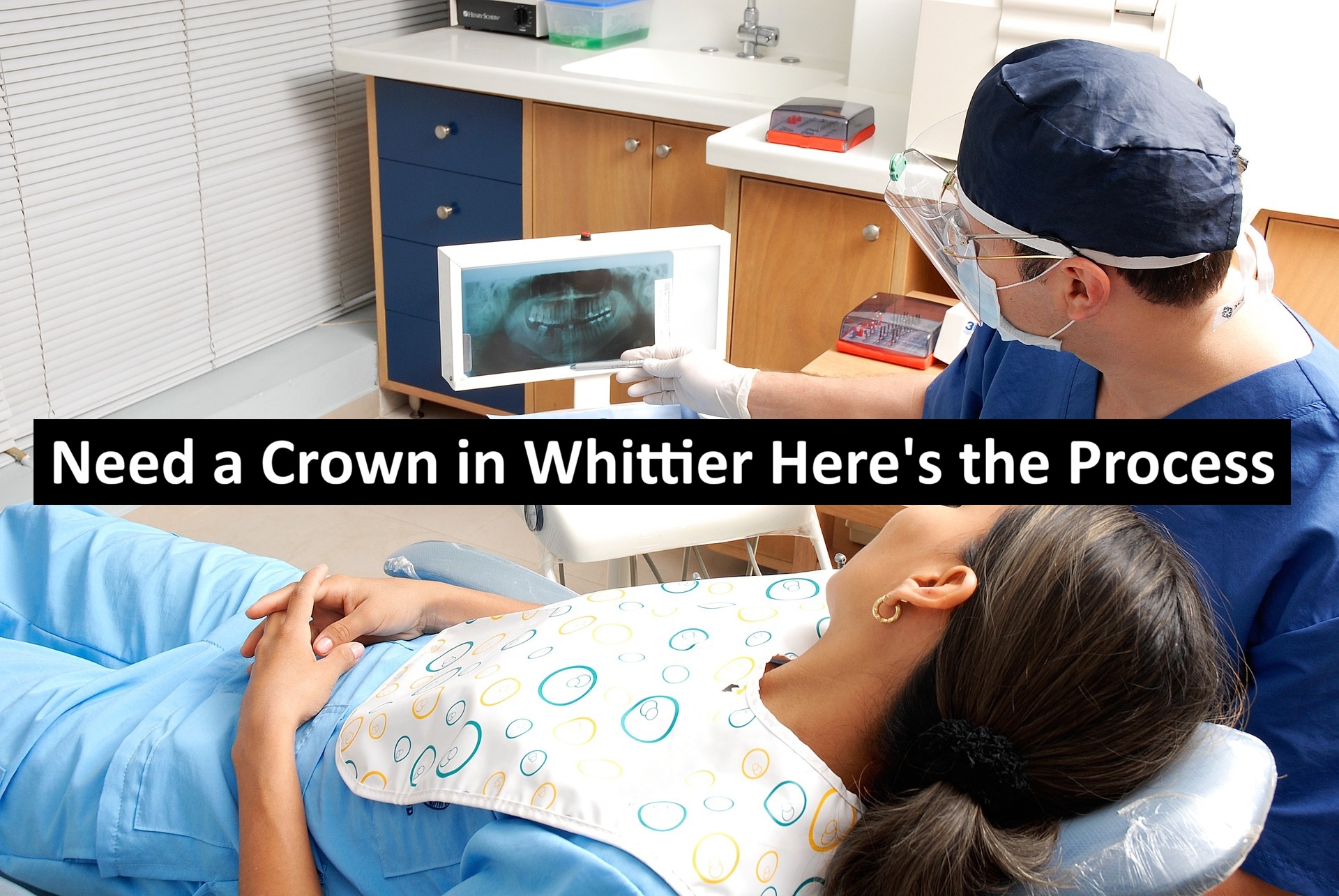
It usually begins with a checkup. The dentist examines the tooth, usually takes an X-ray, and ensures the root and underlying bone are intact. This is a necessary first step, as without sufficient support, a crown won’t last.
Sometimes you get better news than you hoped for, and you only need a regular filling. However, if you have a cracked tooth, one that’s too worn out, a crown is often required. The same applies if the tooth has undergone a root canal.
The first visit is also when you ask about practical details. Ensure you’re clear about all aspects, including the duration, materials to be used, and the associated costs.
Step 2: Preparing the Tooth
Once it’s time to start, the dentist numbs the tooth to keep you comfortable. Next, it’s trimmed or reshaped, with just enough structure removed to allow sufficient space for the crown. If part of the tooth is missing, additional filling material may need to be added before proceeding. The crown must rest on a stable surface.
Step 3: Taking an Impression
After shaping comes the impression. Some offices still use trays filled with impression material, while many now rely on digital scanners that create a 3D model in seconds. Whether it’s a mold or a digital file, the result is sent to a lab where your crown is custom-made.
At this stage, the dentist also determines the color so that the crown matches your other teeth. Patients are often surprised by how well it fits with their natural smile.
Step 4: The Temporary Crown
The tooth isn’t left bare during the week or two it takes for the crown to come back from the lab. In the meantime, a temporary version is put in. This is sufficient for a few weeks, but it’s not as sturdy as the final product. For this stage, avoid foods that are sticky or hard until you receive your permanent crown.
Step 5: Placing the Crown
For the final stage, the dentist removes the temporary crown and replaces it with the permanent one. They make sure the bite feels natural before cementing it permanently. Most patients find that it blends in quickly.
Choosing the Right Dentist
The person placing the crown matters just as much as the material. How do you make the right choice? Ask plenty of questions, such as their experience with crowns, whether they use digital scanning, and how many similar cases they’ve done. Reviews and before-and-after photos can also provide valuable insights.
Above all, pay attention to how the dentist communicates. The best ones explain the process in plain language and answer your questions before you leave the chair.
Get Back Your Confidence With a Crown
Nobody gets excited about needing a crown, but it doesn’t have to be a stressful experience. In most cases, it takes just two visits, and the result is a tooth that looks and usually functions, allowing you to stop worrying every time you bite down. With time, many people even forget that a tooth has a crown. If you’re looking locally, finding a qualified Whittier, California dentist makes the experience smoother, from the first exam all the way to the final cementing. For a general overview of how the process works, this guide on dental crowns can be helpful.