
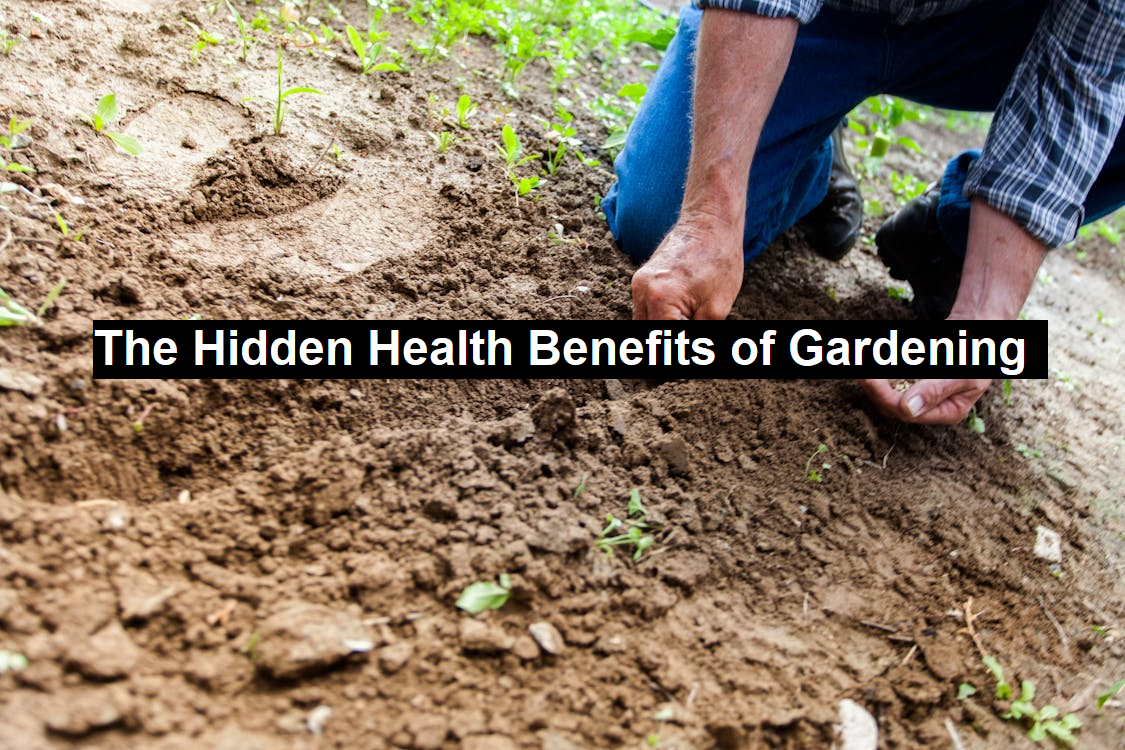
The Hidden Health Benefits of Gardening
Society is constantly on the lookout for the next health hack. From gut health to hyrox, there constantly appears to be a new trend for fitness fanatics to jump on. But are we guilty of negating things that have often worked, like simply staying active in our day-to-day lives? And what about older people who are physically restricted?
In this article, we’ve got a simple solution to increasing activity: gardening. While you may think gardening and fitness shouldn’t appear in the same sentence, we’re going to cover the health benefits of maintaining a garden. From hitting step goals to improved sleep, here are four hidden health implications of gardening.
Mental Wellbeing in the Garden
Modern-day health practitioners are keen to stress that health comes in two forms, physical and mental. So before we get into the physical benefits of gardening, it’s important to divulge the mental implications that come from tending to your outdoor space.
While some might see gardening as a chore, there are many people who view gardening as a hobby thanks to the therapeutic nature that comes with maintaining a garden. For those struggling with stress or anxiety, turning to gardening could help you feel more relaxed or provide a temporary respite from any worries.
For those turning to gardening after retiring, as is often the case, this is a great way to give your life renewed purpose at a time when you might be starting to feel lost, lazy, or lonely. At a time when you may have lost a standardised routine, simply starting your day by watering plants or removing leaves from your lawn can help you create a new routine.
There’s also the benefit of spending more time outdoors. Studies suggest that green space exposure is linked to a number of health benefits, including lower heart rate and decreased risk of developing diabetes.
Gardening as a Way to Stay Active
Experts recommend walking 10,000 steps a day. While this is easily achievable for many people, the same can’t be said for those working desk-based jobs or elderly people who have difficulty staying active.
While gardening isn’t supposed to be a strenuous workout, it can help increase the number of steps you take in a day. Think of simple tasks like mowing the lawn and watering plants, which require movement despite not being too tiring for most people.
Finding the time to simply add an hour or two of outdoor maintenance to your weekend is a great way to stay active if you’re an older person who can’t commit to physical exercise or if you spend the majority sat at a desk.
Read: Optimising Your Home Gym for Advanced Endurance Training
Gentle Functional Fitness
While gardening helps increase your daily steps, it also involves lifting and pushing movements, which can have positive implications for our muscles. Again, if you’re an older individual who enjoys gardening, this offers a manageable way to keep muscles engaged at a time when you may not be capable of completing advanced training. Even something as simple as pushing a lawn mower around the garden is enough to engage your muscles. For example, a cordless Stihl lawn mower weighs around 20kg, which provides resistance without the risk.
Gardening tasks can be adapted based on your circumstances too. Younger, stronger gardeners may be able to move heavy bags of compost around or push heavy wheelbarrows to make their gardening more challenging.
A Natural Way to Better Sleep
While gardening may not leave you feeling worn out, your body will feel the effect of simply moving around and burning energy, especially if you’re a senior citizen. Combined with spending time outdoors in the fresh air and natural light, you may find yourself craving a good night’s sleep while also finding it easier to drift off at night.
The benefits of this can be wide-ranging. There are proven links between sleep and our immune system, along with cardiovascular health and brain function. Ultimately, sleep should improve as a result of increased activity, and overall health should improve as a result of more efficient sleep, leading you to a virtuous cycle.
Final Thoughts
It’s important to remember that, like any form of physical activity, gardening can benefit both the body and the mind. However, unlike other ways of staying active, gardening is accessible for almost everyone, which makes it a great solution to staying active in later years.
But it’s not all about the health benefits of gardening. You may find yourself learning new skills, joining new communities, or experiencing other effects that bring social benefits. Again, this could be great for elderly individuals who may be experiencing feelings of loneliness after losing a partner. You don’t have to do things that are hands-on or use heavy equipment; as mentioned above a cordless Stihl lawn mower weighs around 20 kg, which provides resistance without the risk. Overall, it’s unfair to view gardening merely as a hobby. It’s a hobby that can easily become a habit, and one that offers routine, purpose, and all of the health benefits mentioned above.