
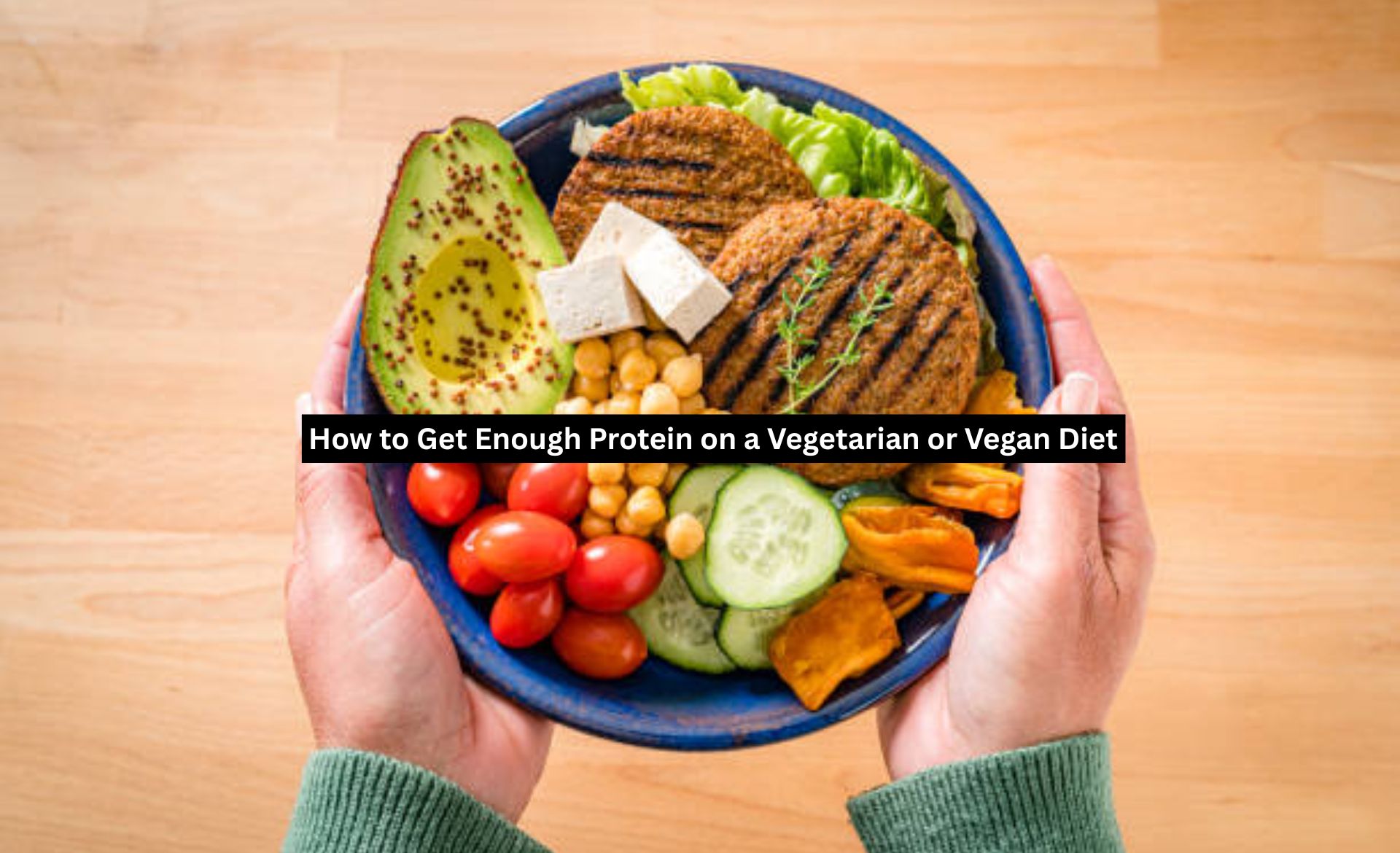
How to Get Enough Protein on a Vegetarian or Vegan Diet
If you eat a vegetarian or vegan diet, you’ve probably had people ask you the same question over and over: “But where do you get your protein?” It’s one of the most common concerns about eating plant-based food. The good news is you don’t need meat or dairy to get enough. With a little planning, you can cover your protein needs and enjoy a wide variety of tasty meals at the same time.
This isn’t about eating perfectly or stressing over numbers. It’s about knowing which foods help you meet your daily needs so you can feel your best.
Why Protein Matters
Protein does a lot more than help you build muscle. It supports your immune system, keeps your hair and skin healthy, and helps repair tissues after exercise. It also keeps you full longer, which can make it easier to avoid constant snacking.
If you don’t get enough protein, you may notice more fatigue, slower recovery after workouts, or even a loss of strength. That’s why it’s important to make sure you’re getting the right amount, especially if you’re active.
How Much Do You Actually Need?

The amount of protein you need depends on things like your weight and activity level. A simple rule is about 0.8 grams of protein for every kilogram of body weight. If you exercise often or do strength training, you may need closer to 1.2 to 2 grams per kilogram.
For example, if you weigh around 68 kilograms (150 pounds), you’ll need somewhere between 55 and 136 grams a day. If you’re very active, aim for the higher end of that range.
Plant Foods That Are Packed with Protein
You have more choices than you might realize. Here are some of the best options:
Beans, Lentils, and Chickpeas
A cup of cooked lentils gives you about 18 grams of protein. Chickpeas and black beans are also strong sources. You can use them in soups, curries, salads, or even as the base for veggie burgers. You can also do healthy meal prep with greens for a busy work week.
Tofu, Tempeh, and Edamame
Soy-based foods are great because they’re complete proteins, meaning they provide all the essential amino acids. A block of firm tofu has about 35 grams of protein. Tempeh offers even more per cup. Edamame is another simple snack that’s high in protein.
Whole Grains
Quinoa, brown rice, oats, and farro all give you a protein boost while also providing fiber and minerals. Quinoa in particular is one of the few grains that’s a complete protein.
Nuts and Seeds
Almonds, peanuts, sunflower seeds, chia seeds, and hemp seeds are nutrient-dense and easy to add to meals. A couple of tablespoons of peanut butter provide 7 grams of protein, while hemp seeds offer 10 grams in just three tablespoons.
Protein Powders
If you’re busy or find it hard to hit your daily target, plant-based protein powders can be helpful. Powders made from pea, hemp, rice, or soy protein are widely available and easy to add to smoothies. They aren’t essential, but they can make life easier.
Why Variety Matters
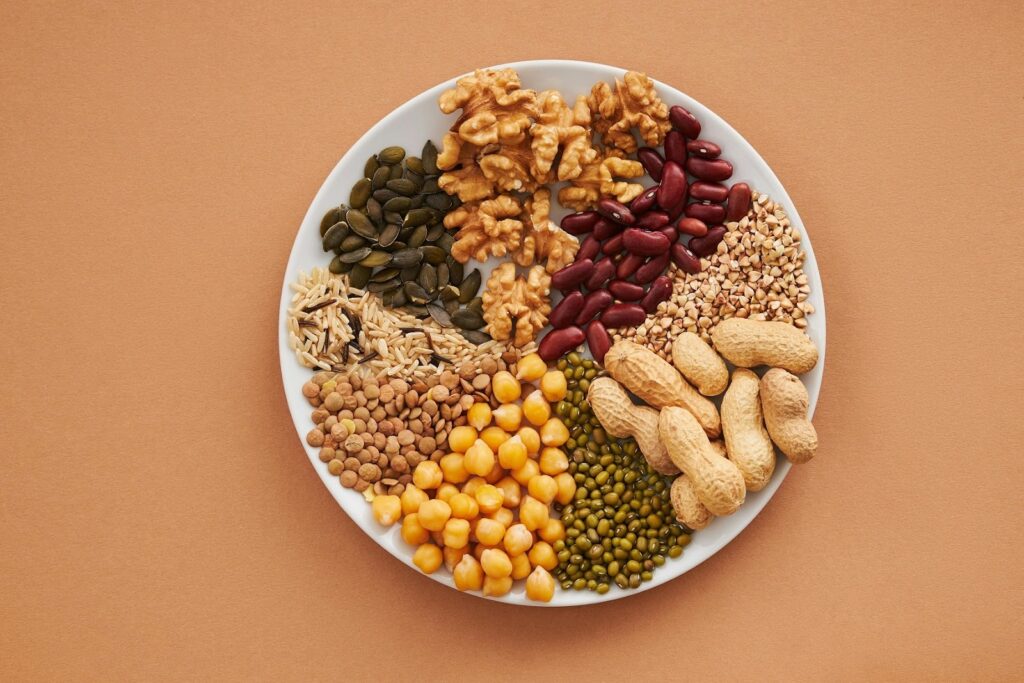
Animal proteins are complete on their own, but many plant foods are lower in one or more amino acids. The solution is simple: eat a variety of foods. You don’t need to combine them in the same meal, but make sure you’re getting a mix over the course of the day.
For example, beans and rice balance each other out in terms of amino acids. The same goes for peanut butter on whole grain bread. If your meals are varied, you’ll naturally cover your bases.
Read: The Hidden Health Benefits of Gardening
Meal Ideas to Keep Things Simple
Here are some easy, protein-rich meals you can put together:
- Breakfast: Overnight oats with chia seeds, soy milk, and peanut butter
- Snack: Roasted chickpeas or a smoothie with pea protein powder
- Lunch: Quinoa salad with black beans, avocado, and pumpkin seeds
- Snack: Apple slices with almond butter
- Dinner: Stir-fried tofu with brown rice, broccoli, and sesame seeds
With meals like these, you’ll be getting protein throughout the day without overthinking it.
Tips for Hitting Your Protein Goals
- Add protein to every meal: Instead of building a meal around carbs, start by picking a protein source.
- Stock your kitchen with staples: Keep beans, lentils, tofu, and nuts on hand so you always have options in your kitchen.
- Try new recipes: Indian food is great for lentil dishes, while Asian meals often feature tofu or tempeh. Exploring new cuisines can keep meals exciting.
- Pay attention to portions: A small scoop of beans may not be enough. Adjust amounts based on your needs.
- Think about balance: Protein is important, but so are fiber, vitamins, and minerals. A mix of whole plant foods will give you all of it.
Mistakes to Watch Out For
One common mistake is relying too much on carbs without adding protein. Pasta with tomato sauce may be filling, but it won’t provide much protein. Another trap is leaning heavily on processed meat substitutes. While they can be high in protein, they often come with a lot of sodium and additives. It’s fine to enjoy them, but whole foods should be your foundation.
How to Know if You’re Getting Enough
Your body will give you signals if you need more protein. Signs include fatigue, constant hunger, weaker muscles, or slow recovery after workouts. If you notice these, try tracking your protein for a few days to see how much you’re actually eating.
Final Thoughts
Getting enough protein on a vegetarian or vegan diet is completely possible. You just need to know your go-to sources and include them in your meals. Beans, lentils, tofu, tempeh, quinoa, nuts, seeds, and whole grains all add up quickly when you use them regularly.
By planning ahead and mixing different foods, you’ll have no problem meeting your protein goals. You’ll feel energized, recover faster from workouts, and enjoy the benefits of a balanced plant-based diet.
Author’s Bio:
Jay Chettiar works as a content manager at “Food Service India Pvt. Ltd.” He is a talented individual, creating engaging and informative pieces that capture the attention of readers.