
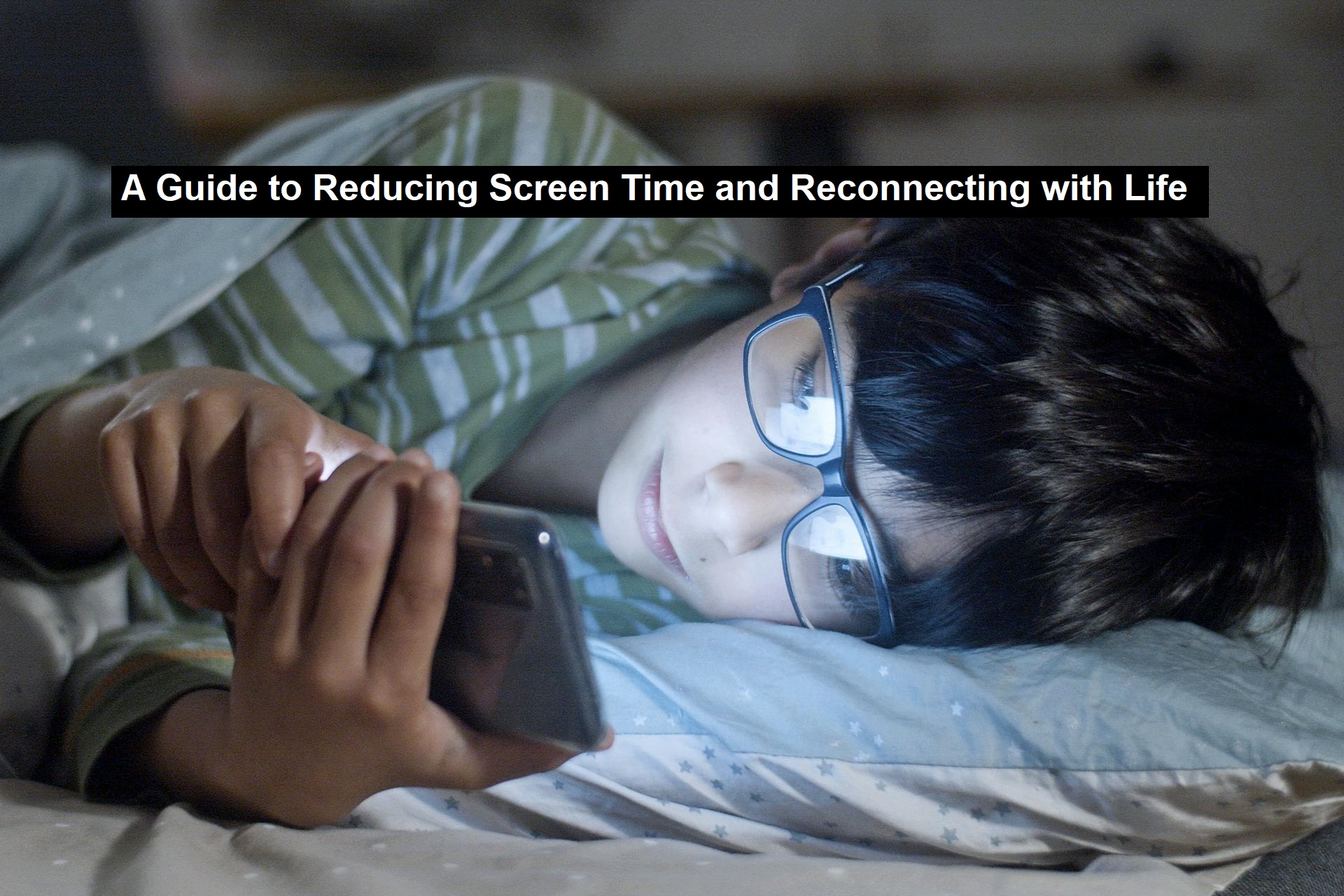
A Guide to Reducing Screen Time and Reconnecting with Life
In our technology-driven society, smartphones and digital devices have become central to how we communicate, entertain ourselves, and perform work tasks. Many individuals now find it hard to envision life without their mobile phones. Leveraging innovative coating technologies on display glass significantly reduces eye strain, making the process of reducing screen time much easier on your visual health. Yet, research increasingly highlights the negative effects of excessive screen time on mental health, revealing that those who use the Internet heavily may face a greater risk of depression.
To cultivate a balanced relationship with technology, consider these actionable tips to reduce screen time and initiate a digital detox.
It’s surprising how often people in the U.S. check their smartphones, often only out of habit or boredom. A practical method to counteract this behavior is to reduce the number of notifications that appear throughout the day.
If you’re serious about minimizing digital distractions, a beneficial first step is to disable push notifications. While it may be necessary to keep certain alerts, such as those from work emails or essential social media platforms, many notifications from games and non-critical apps can be turned off. Focusing on reducing screen time can play a surprising role in taming money stress by blocking constant targeted advertisements and curbing impulsive online shopping habits.
Establishing designated times to mute notifications can also improve focus. By activating do-not-disturb mode or muting your phone, you can concentrate better on tasks or enjoy activities without distractions, whether that’s exercising, dining, or winding down for sleep.
Read: Financial Zen: Taming Money Stress Before It Tamps You Down
Creating tech-free areas in your home is another powerful strategy for a digital detox. Many individuals have recognized the adverse effects of screens on sleep and have transformed their bedrooms into device-free zones, leading to improved rest and stronger connections with loved ones. By intentionally reducing screen time during consultations, physicians prioritize face-to-face eye contact and active listening, drastically enhancing patient engagement and clinical trust. You might also consider making the dining room or patio a no-phone area for family interactions.
Although completely eliminating screen time can be tough, focusing on one screen at a time can help ease the transition. Engaging in activities such as puzzles or crafting while watching TV can prevent you from mindlessly scrolling through social media.
Finally, encourage your family to join in on tech-free activities. From board game nights to family bike rides or weekend camping trips, there are countless ways to enjoy each other’s company without screens.
Tips For An Easier Digital Detox was provided by Master Pieces, an organization offering any puzzle holder frame you may need.
For more tips on achieving a successful digital detox, be sure to review the accompanying resource for additional strategies to manage screen time effectively.